How Custom Clothing Transforms Your Wardrobe and Your Brand
I still remember the first time I wore a piece of clothing that was made just for me. It wasn't a designer label or an expensive suit. It was a simple custom t-shirt a friend had printed for a birthday party. The fit was perfect, the design was personal, and every time I wore it, someone asked where I got it. That experience opened my eyes to the power of custom clothing. Whether you are looking to express your own style, create a uniform for a team, or build a brand, the world of custom apparel offers something that off-the-rack clothing never can: a perfect match between what you imagine and what you wear.
Why Custom Clothing Matters
We live in an age where mass production is the norm. You can walk into any store and find racks of shirts, hoodies, and hats that are nearly identical. But that uniformity comes at a cost. It flattens personality. Custom clothing is the antidote. It allows you to choose the fabric, the cut, the color, and the details. It lets you add embroidery, screen printing, or digital printing to create something that is unmistakably yours. For me, the difference is like the difference between a form letter and a handwritten note. One is generic; the other carries intention.
When I started working with small businesses and event planners, I saw how custom hoodies and custom hats could turn a group of strangers into a tribe. A well-designed piece of apparel becomes a badge. It says, "I belong here." That emotional connection is hard to achieve with standard merchandise. It is the reason why so many organizations, from sports teams to corporate retreats, invest in made-to-order gear. They understand that custom clothing builds identity.
The Craft Behind the Product
Let me walk you through a few of the techniques that make custom apparel possible. Understanding these can help you make better choices for your project.
Embroidery is one of my favorite methods for adding a touch of class. It works beautifully on hats, polos, and jackets. The thread gives a three-dimensional look that feels premium. If you want a logo or monogramming that lasts for years, embroidery is a solid choice. The downside is that it works best on simpler designs and smaller areas. For full-color, complex artwork, you might look elsewhere.
Screen printing is the classic method for custom t-shirts and hoodies. It delivers vibrant colors and a soft feel on the fabric. It is cost-effective for larger quantities, but the setup cost means it is not ideal for single items. If you are ordering fifty shirts for a team or an event, screen printing is often the most efficient route.
Digital printing (sometimes called direct-to-garment) is a newer option that excels at detail. You can print photographs and intricate gradients. It is perfect for short runs and one-off pieces. The trade-off is that the print can fade a bit faster than screen printing, especially on dark fabrics. But for personalized merchandise like a gift for a friend, it is hard to beat.
Custom patches are another versatile tool. You can sew or iron them onto jackets, bags, or jeans. They give a piece a rugged, streetwear feel. I have seen people use patches to turn a plain denim jacket into a conversation starter. The combination of patches with embroidery or screen printing can create a layered look that feels bespoke.
From Personal Style to Fashion Branding
The line between personal fashion and business branding is thinner than most people think. When you wear a custom hoodie with your own design, you are essentially doing fashion branding for yourself. You are telling the world what you like, what you stand for. For a company, custom apparel does the same thing on a larger scale. It turns employees and customers into walking billboards. But the best brands do not just slap a logo on a shirt. They think about the design, the fabric, the fit. They consider whether the piece will be worn with pride or thrown in a drawer.
I have worked with a startup that wanted to give away custom t-shirts at a conference. They spent a lot of time on the artwork but chose the cheapest blank shirts they could find. The shirts felt rough, the fit was boxy, and most people never wore them again. That is a missed opportunity. On the other hand, I have seen a boutique clothing line that ordered a small run of custom hoodies in a heavy cotton blend with a subtle embroidered logo. Those hoodies became a status symbol among the brand's followers. The difference was not the design alone; it was the quality and the attention to detail.
This is where sustainable fashion comes into play. When you invest in custom clothing that is made to order, you reduce waste. You are not producing thousands of items that might never sell. You are making exactly what is needed. That is better for the environment and better for your wallet. Many small brands now offer made-to-order pieces precisely for this reason. They let customers choose their size and color, and then they produce the item. It is a model that respects both the planet and the customer.
Beyond Apparel: The Role of Accessories
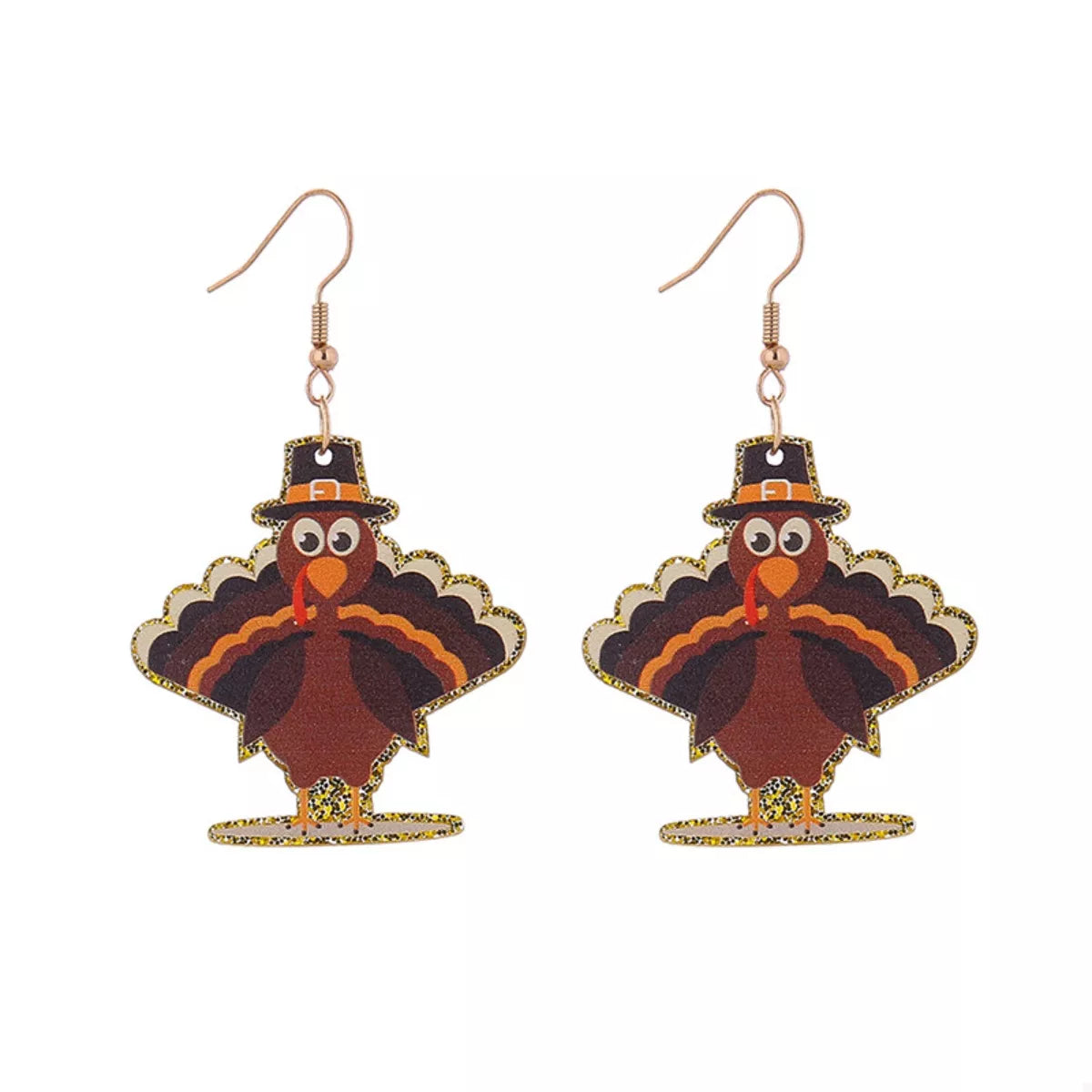
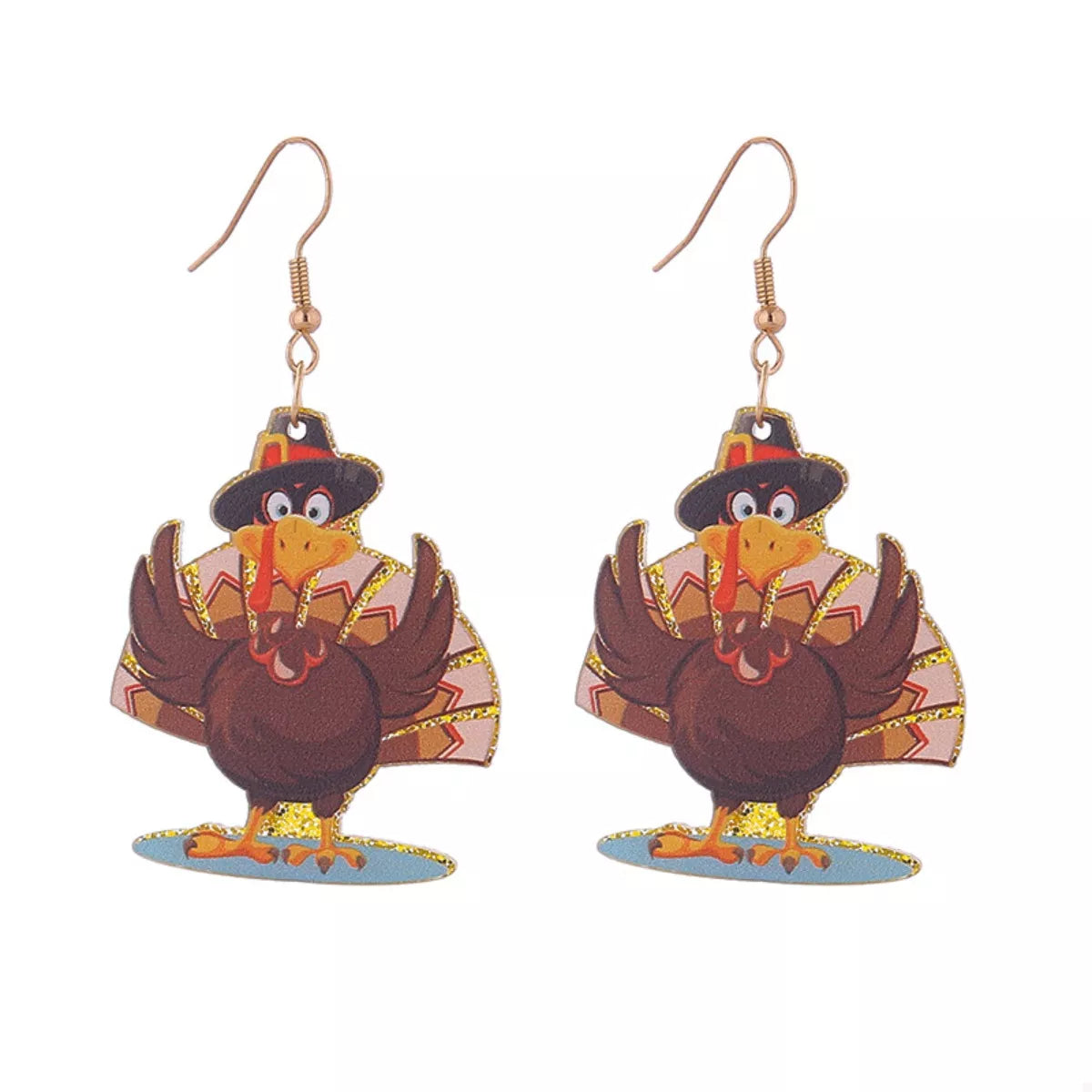
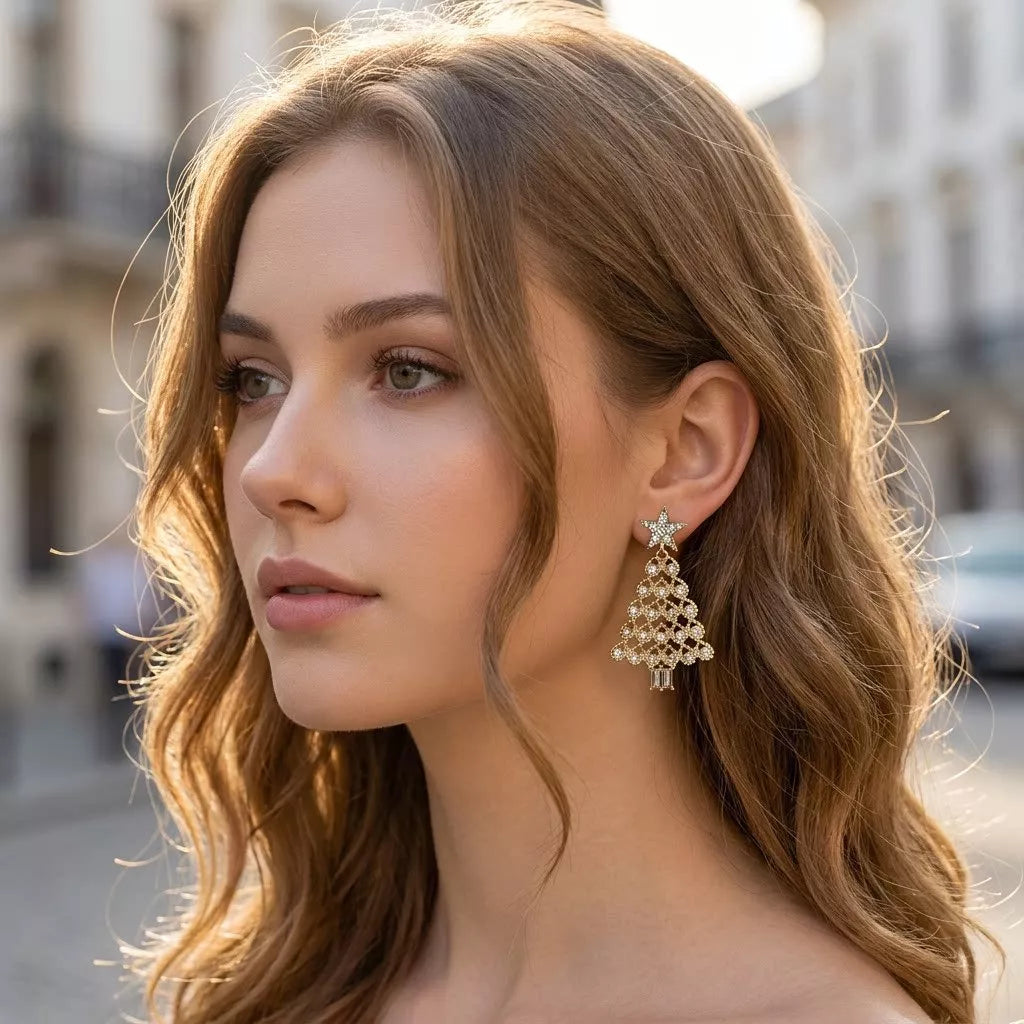
Custom clothing does not stop at shirts and hoodies. Fashion accessories like caps, bags, and even affordable jewelry can be personalized to complete a look. I have seen a simple beanie with a monogram become a bestseller for a streetwear brand. A tote bag with a custom print can serve as both a functional item and a marketing piece. The key is to think of the whole outfit. When you coordinate a custom hoodie with a custom hat and a piece of personalized jewelry, you create a cohesive style that feels intentional.
Giftware is another area where personalization shines. A custom-printed mug or a set of embroidered towels might not be clothing, but they follow the same principle of making something ordinary feel special. For many people, the first step into custom merchandise is through a gift. They order a custom t-shirt for a friend's birthday, and then they realize how satisfying it is to create something unique. Soon they are designing custom hoodies for their family reunion or personalized merchandise for their book club.
Practical Tips for Getting Started
If you are thinking about ordering custom apparel, here are a few things I have learned from experience.
- Start with a clear idea of what you want. Gather reference images and think about the occasion. A design for a music festival will be different from a design for a corporate event.
- Choose the right garment. Not all blanks are created equal. Feel the fabric, check the sizing chart, and order a sample if you can. A good base makes a huge difference.
- Work with a printer who communicates well. Ask about their turnaround times, their minimum order quantities, and their process for color matching. A little conversation upfront can save a lot of headache later.
- Think about the whole package. If you are ordering for a team, consider adding custom patches or monogramming to each piece. Those small touches elevate the item from a giveaway to a keepsake.
I have learned these lessons the hard way. I once ordered a batch of custom hoodies for a charity run and did not check the fabric weight. They were too thin for the weather, and everyone complained. That mistake taught me to always ask for a sample. It is a small step that can prevent a lot of disappointment.
The Future of Custom Clothing
The industry is moving fast. Digital printing technology keeps improving, and on-demand manufacturing is becoming more accessible. That means even small designers can offer a wide range of styles without holding inventory. Streetwear brands have embraced this model, releasing limited drops of custom apparel that sell out quickly. The scarcity creates demand and the personalization creates loyalty.
Sustainable fashion is also pushing the industry forward. Consumers are more aware of the environmental impact of fast fashion. They want clothes that last and that mean something. Custom clothing fits that desire perfectly. When you own a piece that was made for you, you take better care of it. You repair it instead of tossing it. You wear it longer. That is good for your wardrobe and good for the planet.
Whether you are a fashion designer launching a new line, a business owner looking for unique merchandise, or just someone who wants a hoodie that no one else has, custom clothing offers a path to something better. It is not just about the clothes. It is about the story behind them. And that story starts with you.